Ceiling fan vs BLDC fan: which should you buy?
A BLDC fan costs more up front and roughly half as much to run. Here is when the maths works, and what else to look at beyond the motor.
Vikram Mehta
Head of Sales & Distribution
· 5 min read
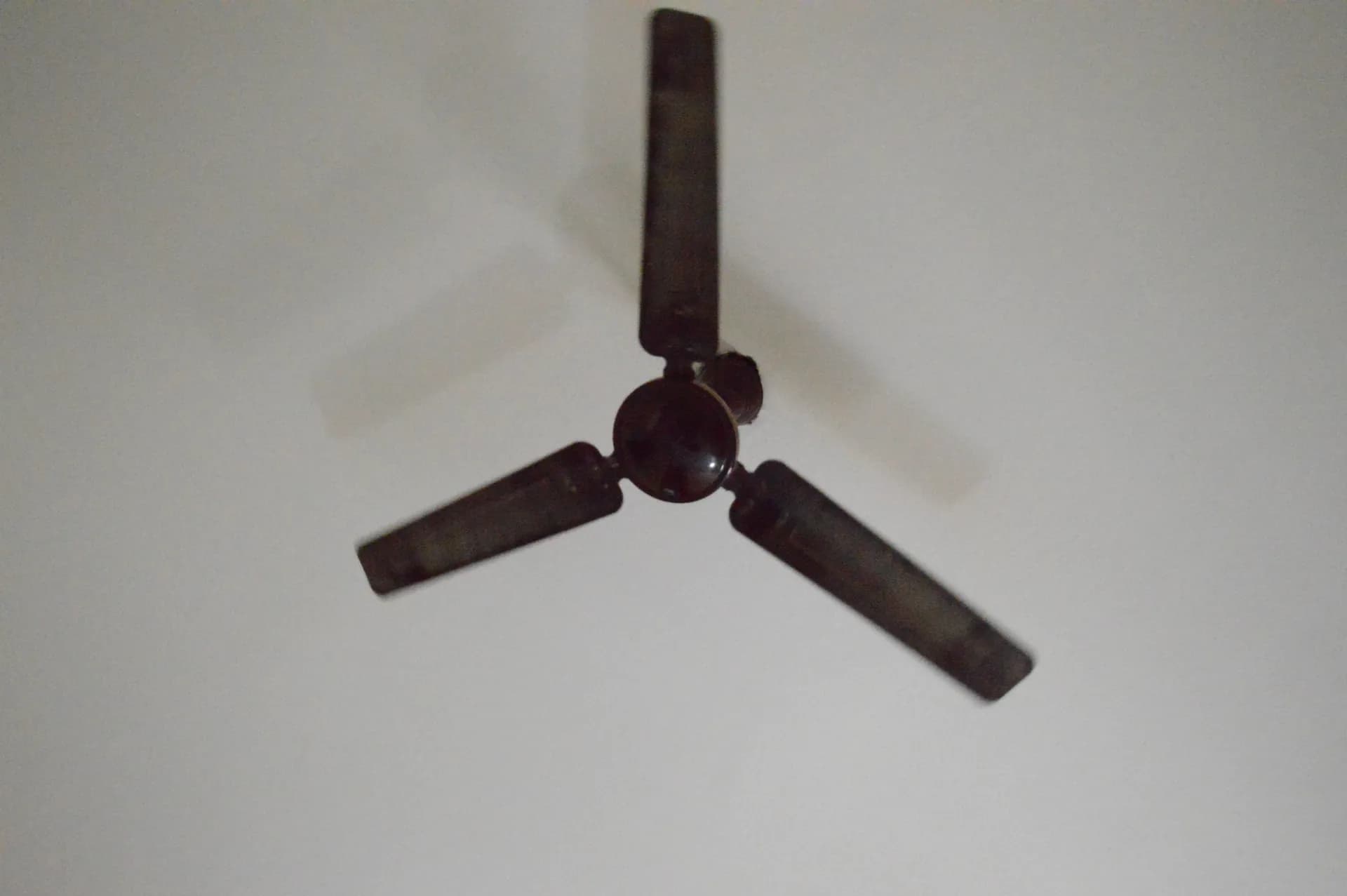
What BLDC actually changes
A conventional ceiling fan uses an induction motor that draws around 70–75 W. A BLDC (brushless DC) fan does the same job on roughly 28–35 W, because the motor is fundamentally more efficient and runs cooler.
For a fan that runs eight months a year, most of the day, that difference pays back the higher purchase price within a couple of years and keeps saving after that.
When it is worth it
BLDC makes most sense in rooms used heavily — bedrooms and living rooms — and in a home running several fans for long hours. In a guest room used occasionally, a good induction fan is perfectly sensible.
BLDC fans also come with a remote and fixed speed steps as standard, which some buyers love and others find unnecessary. It is a genuine convenience, not just a spec-sheet feature.
Beyond the motor
Air delivery (measured in CMM) and sweep matter more than headline wattage for comfort. Match the sweep to the room — 1200 mm for a standard bedroom, 1400 mm for a larger hall.
We carry both types across Havells, Crompton, Orient, Bajaj and Usha, so you can compare a like-for-like induction and BLDC model side by side before deciding.
Written by Vikram Mehta, Head of Sales & Distribution at Callisto. If something here contradicts your own experience, we would genuinely like to hear it.
Get in touch