Rooftop solar: what to check before you buy
The biggest solar mistake is buying the largest system the roof can hold. Size it to what you actually consume in daylight, and the return improves.
Arun Pillai
Solar & Energy Lead
· 7 min read
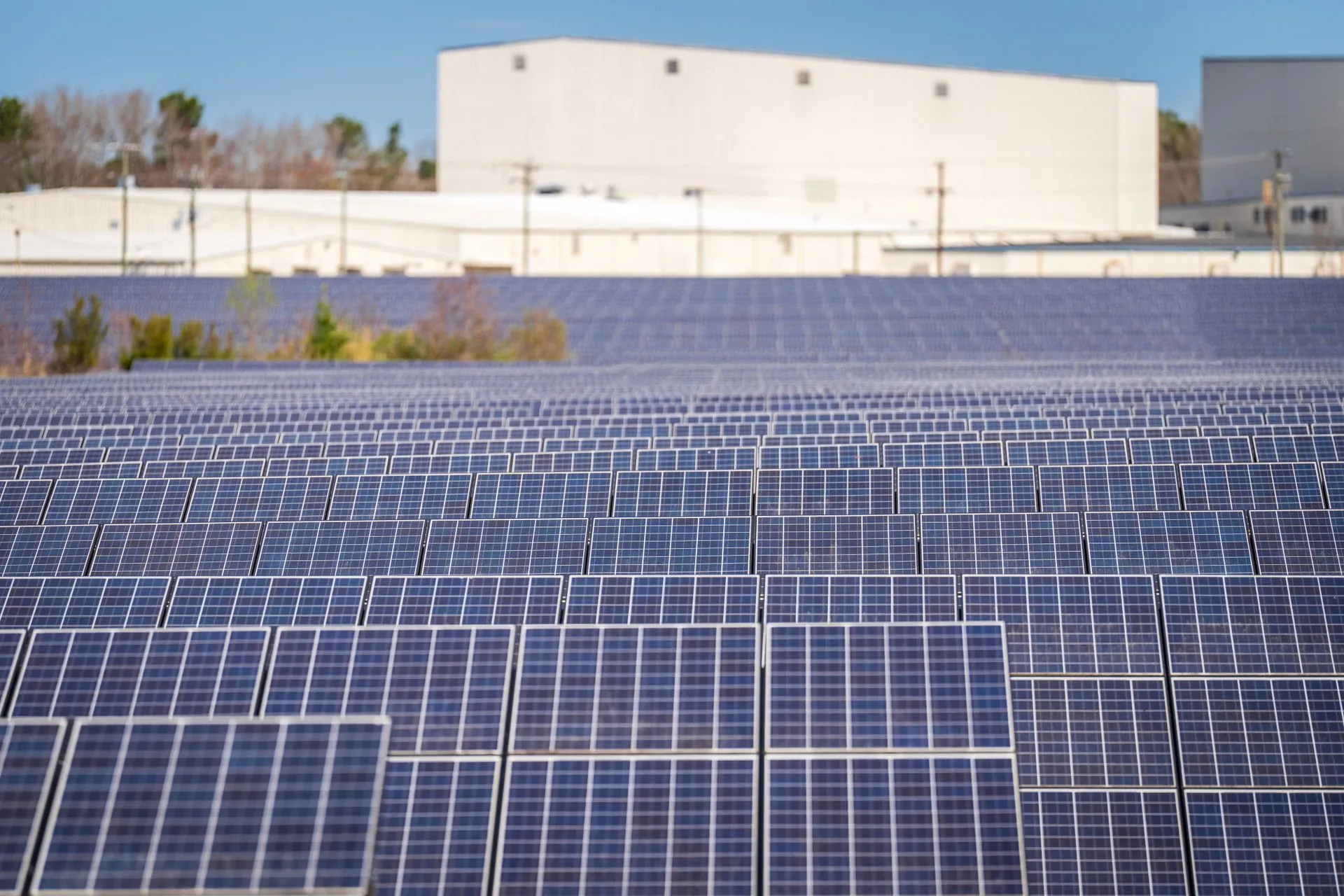
Size to consumption, not roof area
A solar plant that generates when nobody is home saves far less than its nameplate suggests, because exporting to the grid usually pays less than the power you would otherwise buy. The right size is set by your daytime consumption and the net-metering rules, not by how many panels fit.
Send us a year of bills and we will size the system to where it is worth the most — which is often smaller, and cheaper, than the quote that filled the roof.
What decides long-term yield
Module quality, string sizing and the mounting structure decide whether the plant still performs in year ten. Cheap mounting rusts, and a system strung without checking the coldest morning of the year can overvoltage the inverter.
On membrane or waterproofed roofs, non-penetrative ballasted mounting keeps the roof warranty intact — worth confirming before anyone drills a hole.
Paperwork and monitoring
Net metering means DISCOM approval and paperwork, which we handle end to end. Insist on string-level monitoring too — without it, a failed string can go unnoticed for months.
We supply and install grid-tied and hybrid systems with modules and inverters from Waaree, Adani Solar, Polycab, Havells and Luminous, sized around your load rather than the incentive.
Written by Arun Pillai, Solar & Energy Lead at Callisto. If something here contradicts your own experience, we would genuinely like to hear it.
Get in touch